Jan 30, 2012

Udang Kicap Manis~Prawn With Sweet Soy Sauce

Ingredients
1 lb (454g) Fresh Large Prawns, shelled
½ tsp Ground Turmeric
8 Cloves Garlic, peeled and lightly smashed
6 Thai Bird’s Eye Chilies, chopped
1 Red Chili, seeded and sliced
1 Tbsp (15g) Tamarind Pulp, soften with 3 Tbsp of Water, discard seeds
¼ Cup Indonesian Kicap Manis (Sweet Soy Sauce)
Sea Salt to taste
3 Tbsp Peanut Oil

Method
Toss the prawns with ground turmeric. Heat a large skillet over low to medium heat, and add the oil and garlic. Let the garlic cook slowly until golden in color, then remove and set aside.

Turn the heat on high until smoking and toss in the prawns, give it a quick stir. Then mix in the chilies and garlic, stir, and add the tamarind pulp and kicap manis. Let the mixture boil, season with sea salt, remove from the heat and serve immediately.

Categories: ,

Kerabu Pucuk Paku~Fiddlehead Ferns Salad


Kerabu Pucuk Paku: Fiddle Fern Salad
Chef Wan's Kerabu Pucuk Paku~Fiddlehead Ferns Salad


Ingredients
4 to 5 Fresh Red Chilies, halved, seeded, and roughly chopped
2 tsp Roasted Shrimp Paste/Belacan
1 Tbsp Sugar, plus more to taste
4 Tbsp Dried Shrimps, soaked in warm water for 10 minutes, strained
3 to 4 Kalamansi Lime/Limau Kasturi, plus more to taste
4 Tbsp Kerisik/Toasted Desiccated Coconut, pounded
6 Tbsp Coconut Milk, plus more to taste
200 g Cooked Medium Sized Prawns, shelled
300 g Fiddlehead Ferns, blanched in salted boiling water for 10 seconds, drained
Sea Salt to taste


Method
In a mortar and pestle, pound red chilies to a pulp. Add dried shrimps and sugar, and pound them until finely.


Transfer chili paste to a bowl; add fiddlehead ferns, lime juice, coconut, coconut milk, and season with salt. Toss well to combine, taste to check seasonings and add more sugar, coconut milk, lime juice or salt, if desired. Serve immediately.

Categories: , ,

Jan 29, 2012

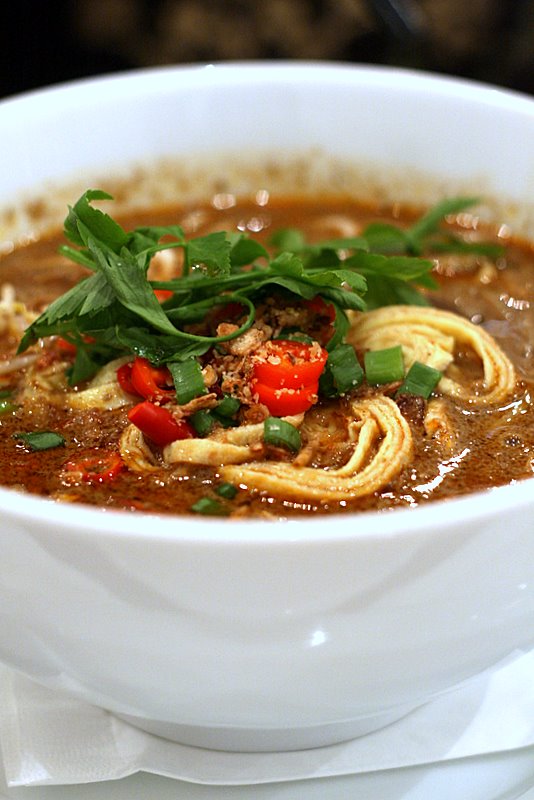
Laksa Sarawak

sarawak laksa


Ingredients
1 packet (600 g) Sarawak Laksa Paste
2 stalk Lemongrass, bruised
2 tsp Roasted Shrimp Paste
400 g Prawns
2 Cooked Chicken Breast, sliced thinly
1 tin (400 ml) Coconut Milk
16 cups of Chicken Stock
3 Pandanus Leaves, knotted
Sea salt to taste


Accompaniment 
Sambal Belacan
Beans Sprouts, blanched
Rice Vermicelli, cooked
Hard-Boiled Eggs, halved or Omelet, shredded (not shown in photo)
Shredded Chicken
Cooked Prawns
Calamansi Lime, halved or quartered lime
Chinese Celery Leaves or Cilantro, chopped
Method
In a large pot, bring the chicken stock to the boil.


Add in the prawns. When they are cooked, remove and set aside to cool. Then shell the prawns. Return all the prawn shells back in to the pot.


Then add the laksa paste, lemon grass, pandanus leaves and the shrimp paste. Bring the stock to a boil and let it simmer for 1 hour.


Strain the stock and mix in the coconut milk and bring it to a boil again. Lower the heat and simmer for another 1/2 an hour. Season the laksa soup with sea salt.


To serve, place a portion of rice vermicelli, bean sprouts, chicken in a serving bowl and ladle the soup over and top it with hard-boiled eggs or shredded omelet, prawns and cilantro. Serve with lime and the Sambal Belacan.

Categories: , ,

Jan 27, 2012

Chicken in Spicy Tomato Sauce

Ayam Masak Merah
Ayam Masak Merah

Ayam Masak Merah has unique flavours, the taste is beautiful and unforgettable although it shares some basic similar spices (cinnamon, cloves, star anise and chillies) to Chicken Curry. It is distinctively different, be it in the texture of the chicken or the tantalizing flavours in the sauce.


The chicken pieces are rubbed in with turmeric and salt and are deep fried till golden in colour. Deep frying seals the juice as well as it gives the chicken pieces, a firmer texture to every bite. The pieces are then added to the simmering sauce. This gives the chicken, its rich flavour, with its subtle heat from the chillies, sweet and sour-ish taste from the tomato soup combine with creaminess from coconut milk.


Ayam Masak Merah
Ayam Masak Merah Recipe
Serve 8-10Ingredients:
2 x 0.9-1kg chicken, cut into 8 pieces/chicken
20 dried chillies, soaked
2 red onion
5 cloves of garlic
40g ginger
25g galangal (lengkuas)
5 lemongrass
2-3 star anise
4 cloves
3 inch of cinnamon
3 cardamom
1 can of tomato soup
1 can (400ml) coconut milk
Salt to taste
Vegetable oil for deep frying plus ¼ cup extra
1 cup of peas, optional


Method:


Preparing Chicken. Rub chicken with turmeric and salt. Set aside for 30 minutes. Heat up the oil in a wok and deep fry the chicken pieces until golden in colour. Set aside.


Roughly chopped red onion, ginger, galangal and lemongrass, then transfer to a blender or food processors. Add in chillies and garlic. Process into a paste.


Heat up the wok with ½ cup of oil. Sauté the spices : Cinnamon, star anise, cloves and cardamom until fragrant. Then add in the blended paste. Bring the heat up until the paste bubble then lower the heat. Simmer till the paste is thoroughly cooked, fragrant and the oil separates from the paste (pecah minyak). Add in canned tomato soup, coconut milk and chicken pieces. Bring up the heat for a quick boil, then lower to a simmer and cook until the sauce thickened. Add peas and season with salt to taste. Garnish with some spring onion before serving.

Categories: ,

Jan 26, 2012

Spicy Turmeric Chicken


:: Spicy Turmeric Chicken (Ayam Goreng Kunyit Pedas) Recipe ::
1 chicken breast, cut to small pieces
1 teaspoon turmeric powder
1 teaspoon lime juice
1 small lemongrass, sliced
2-3 kaffir lime leaves, finely sliced
1/2 big onion, sliced
1 clove garlic, roughtly chopped
4 birds eye chili, pounded (any spicy green chili will do)
1/4 carrot, julienned (optional, can also substitute with green beans, cabbage)
1 tablespoon fish sauce
1 teaspoon oyster sauce
1 teaspoon chili paste


In a bowl, Marinate the chicken with turmeric powder, coat well. Add chili paste, oyster sauce and fish sauce. Place aside while you heat up a frying pan with about a tablespoon of cooking oil.


When the pan is heated well, fry the sliced onion, garlic, lemongrass and pounded chilis. When it soften, add in the marinated chicken and stir, until chicken is cooked. Add in carrots and finely sliced lime leaves. Sprinkle the teaspoon of lime juice, stir, and serve with warm rice.


Note: Just lightly pound the chilis, or reduce the number of chilis to tone down spiciness.

Categories: ,

Jan 25, 2012

Ikan Patin Masak Tempoyak

Ingredients

1kg ikan patin (river cat fish), cut into 3 cm thick
2 tbsp tamarind paste, mix with 1 cup water

Wet spice blend

7 bird eye chillies
5 red chillies
10g fresh turmeric
1/2 cup water
2 stalks lemongrass, pounded
1in old ginger, sliced
3 turmeric leaves, sliced
1/2 cup durian paste
1 stalk touch ginger buds/bunga kantan
3 stalks daun kesum
1 old cucumber, peeled and cut into cubes
1 litre water
salt and sugar to taste
Method
  • Wash and clean the fish. Then marinate with tamarind juice for 5 minutes. Set aside.
  • Blend all wet rempah ingredients with 1/2 cup water.
  • In a stock pot and boil 1 litre water.
  • Add durian paste and wet spice blend, fresh turmeric, lemongrass and turmeric leaves.
  • Let it simmer for 15 minutes.
  • Add the fish, cucumber, bunga kantan and daun kesum.
  • Cook under slow fire for another 10 minutes.
  • Season with salt and sugar.
  • Related Recipes by Ingredient

By Chef Rossham Rusli

Categories: ,

Jan 23, 2012

Kuala Gula, Perak


The Kuala Gula Bird Sanctuary is located in the district of Kerian in the state of Perak Darul Ridzuan. The sanctuary has been established since 1970 by the Department of Wildlife and National Parks (PERHILITAN) and the state government of Perak. The main objective of creating the sanctuary is to protect migratory and resident bird species, which have been using the wetland area for many years. The migratory birds utilise the large mudflat area for feeding and resting during their migratory route from the northern to the southern hemisphere. 
Tens of thousands of migratory birds comprising 48 species of 8 families visit Kuala Gula from September until April each year. Some of these migratory birds come from as far as Siberia in Russia, Mongolia, Kazakhstan, Japan and China. The Kuala Gula mangrove swamp forest and mudflat are not only important for migratory birds but also for 600 families of fishermen who depend totally on the mangrove forests and marine ecosystem for their livelihood. Many fishermen involved in fishing, cockle farming, aquaculture, shrimp and crabs derive their income from this wetland area. Currently, eco-tourism activities are getting popular in Kuala Gula. Approximately 5,000 visitors came to Kuala Gula last year. The fishermen living in the vicinity of Kuala Gula for the last hundred years have survived within the natural ecosystem of this mangrove swamp forest. The dependence of man on this natural ecosystem will continue for generations to come.
INTRODUCTION
The Kuala Gula Bird Sanctuary is among the well-established bird sanctuaries in the Asian region. The establishment of the bird sanctuary started in the early 70s. The main objective is to protect and conserve the migratory as well as resident bird species. There are about 161 species of birds found in the Kuala Gula Bird Sanctuary comprising 48 species of migratory birds and 118 species of resident or local birds (Appendix 1). The mangrove swamp forest and a long stretched of mudflat beaches provide an excellent feeding ground and nesting habitat for migratory and resident bird species.
Kuala Gula Bird Sanctuary
The migratory birds such as Eurasian curlew (Numenius arquata), Common redshank (Tringa totanus), Common greenshank (Tringa nebularia), Mongolian plovers (Charadrius mongolus), Pacific goldenplover (Pluvialis fulva), Common sandpiper (Actitis hypoleucos), Cattle egret (Bubulcus ibis), Little egret (Egretta garzetta), Gret egret (Casmerodius albus), Black-headed gull (Larus ridibundus), Black-naped tern (Sterna sumatrana) come from as far as Siberia, Japan and China during the migratory season starting from September until April each year.
These birds come in large flocks numbering from several hundred to several thousand individuals. The large mudflat area offers a natural feeding ground for these birds. The mudflat or benthos ecosystem is rich with minute organisms and plankton such as small crabs, crustaceans, annelids and copepods. These minute organisms are rich in protein. They provide the nutrients to generate vast amounts of energy the birds require to continue their journey to the south.
Kuala Gula Bird Sanctuary

Categories: , ,

Jan 18, 2012

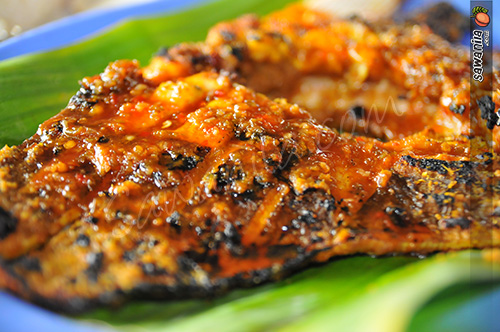
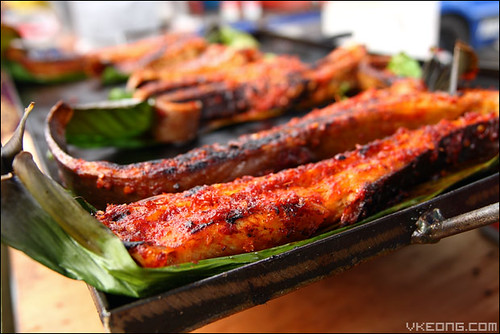
Ikan Pari Bakar Recipe

1½-2 lb whole
1½ tsp palm sugar or dark brown sugar
salt
2 tbsp vegetable oil
1 tbsp tamarind paste
1 cup warm water
1 onion, sliced, for garnish [optional]
8 shallots, peeled
4 garlic, peeled
1 inch fresh ginger, peeled
3 tbsp
Rub stingray with lemon juice and salt, set aside for 10 mins
Add tamarind, sugar, salt to taste, reduce heat to med, simmer till sauce is thicken slightly" startspan -->


Categories: , ,

The Origins of Banding Island

To know the origins of Banding, you must first know the story of Temenggor.  More than two decades ago before Banding or even Temenggor Lake ever existed, a number of rivers from the mountain ranges flowed into the Temenggor lowlands and gorges, creating a huge catchment area.


While serving as a source of water supply to the neighbouring villages and "Orang Asli" (indigenous people) settlements, this rich source of food and water supply attracted the communist terrorists to the area.


In 1974, then Prime Minister, the late Tun Abdul Razak, had an ingenious plan to flush out the communists by building a dam and filling up the Temenggor catchment area with water from the mountain rivers.  And thus the Temenggor lake was formed.  

As a consequence, Banding (the highest peak in the Temenggor basin) was transformed into an island.  With the East-West highway running through the island, Banding is the only island in Malaysia that is serviced by two bridges linking it to the mainland.  As for the communist terrorists, they were summarily flushed out of the catchment area and were forced to flee to southern Thailand.


Attractions and Activities
Banding Island provides an excellent opportunity for tourists to indulge in a quiet association with nature.

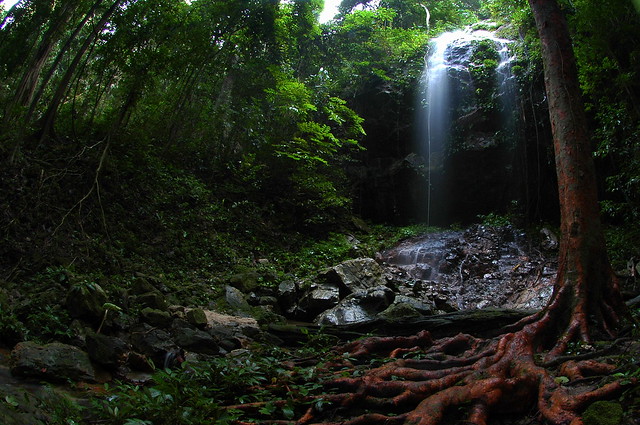
The jungle surrounding Lake Temenggor is virtually untouched, and the island is the perfect base for exploring the lakes and tropical rainforest in the vicinity. 


The surrounding jungle and the rivers that drain into the lakes offer an inexhaustible range of activities.

These span from fresh water fishing, boat rides, water sports and jungle trekking during the day, to the observation of wildlife at night.


For the eco-tourists, the study of flora and fauna is the main attraction, while for the budding sociologists, and overnight stay at the "Orang Asli" settlement can be arranged.


Categories: , , ,

Jan 17, 2012

Heaven in Langkawi

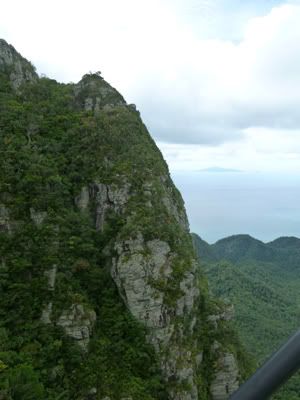
Langkawi Island not only offers visitors an opportunity to relax on the beach, but allows you to learn about the unique heritage and attractions of the island or indulge in some duty-free shopping. For the more adventurous, your resort also offers a chance to enjoy the sea with some snorkeling or diving activities.
In fact you can choose to do as much or as little as you want in Malaysia's best-known holiday destination. Fringed with long, sandy beaches and coconut trees with lush inner jungles, it's no wonder it is so popular.

Langkawi is also an excellent destination to enjoy maximum comfort at little cost. The wide range of accommodation from basic 3* hotels to more luxurious 5* beach resorts offer fantastic value for money.

As an essentials package we only provide transfers and resorts, but we also offer some addon tours to complete your holiday experience. For those wanting to go further, you can explore some of the 99 islands that make up Langkawi or for those wanting to discover the local culture we can take you to the nearby Kuah Town. Also see why UNESCO has declared Langkawi a World Geopark. Unique rock formations dating back 500 million years and an abundance of trees scatter the island.

Sandy beaches with crystal clear waters in Langkawi


Categories: , , ,

Copyright © JommJalan | Powered by Blogger